Renting in Dubai in 2026 | Complete Guide for Tenants

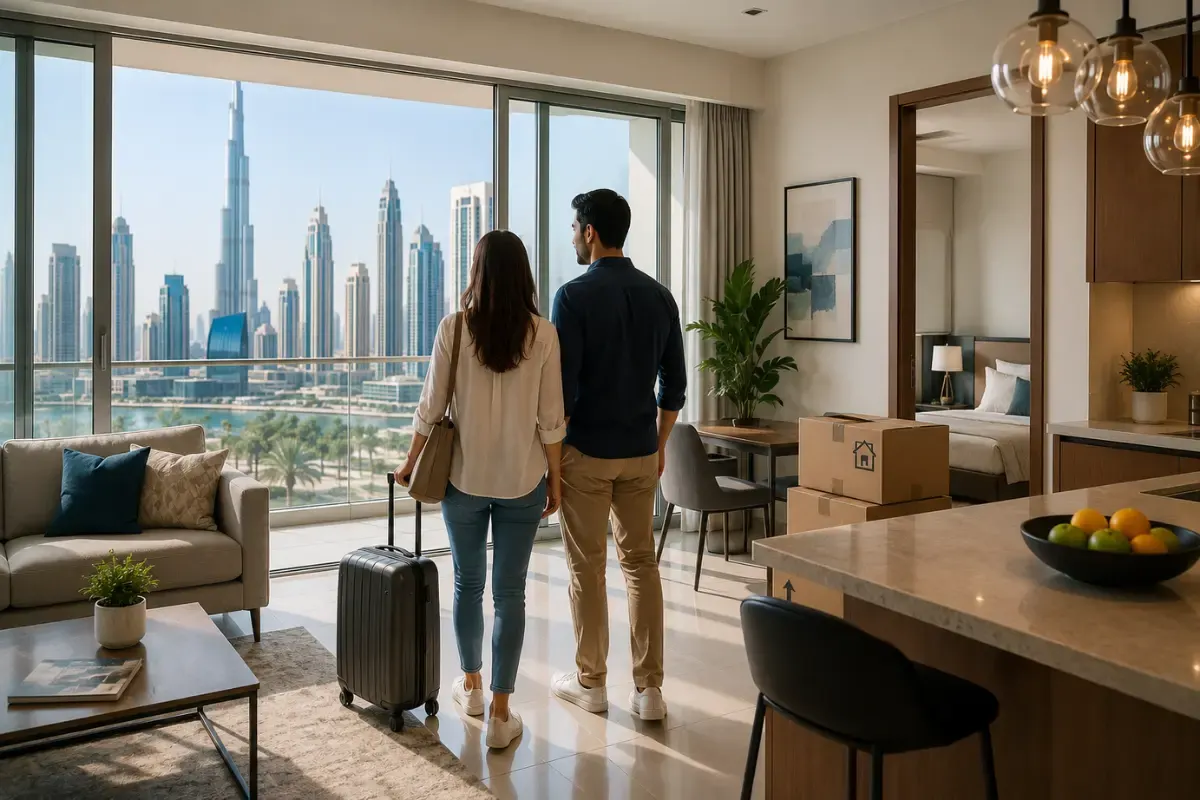
Dubai continues to attract people from around the world thanks to its safety, business opportunities, modern infrastructure, tax advantages, and exceptional quality of life. Whether you're relocating for work, launching a business, studying, or simply looking for a new place to call home, the city offers rental options for almost every lifestyle and budget.
For first-time renters, however, the process can seem complicated.
From tenancy agreements and security deposits to Ejari registration, agency fees, utility setup, and payment schedules, there are several important details to understand before signing a lease.
The good news is that renting in Dubai is generally straightforward once you know what to expect.
This guide explains how the rental market works, the costs involved, the documents you'll need, how to avoid common mistakes, and what every tenant should know before renting a property in Dubai in 2026.
Who This Guide Is For
This guide is designed for:
- First-time renters in Dubai
- Expats relocating to the UAE
- Existing UAE residents moving home
- Professionals relocating for work
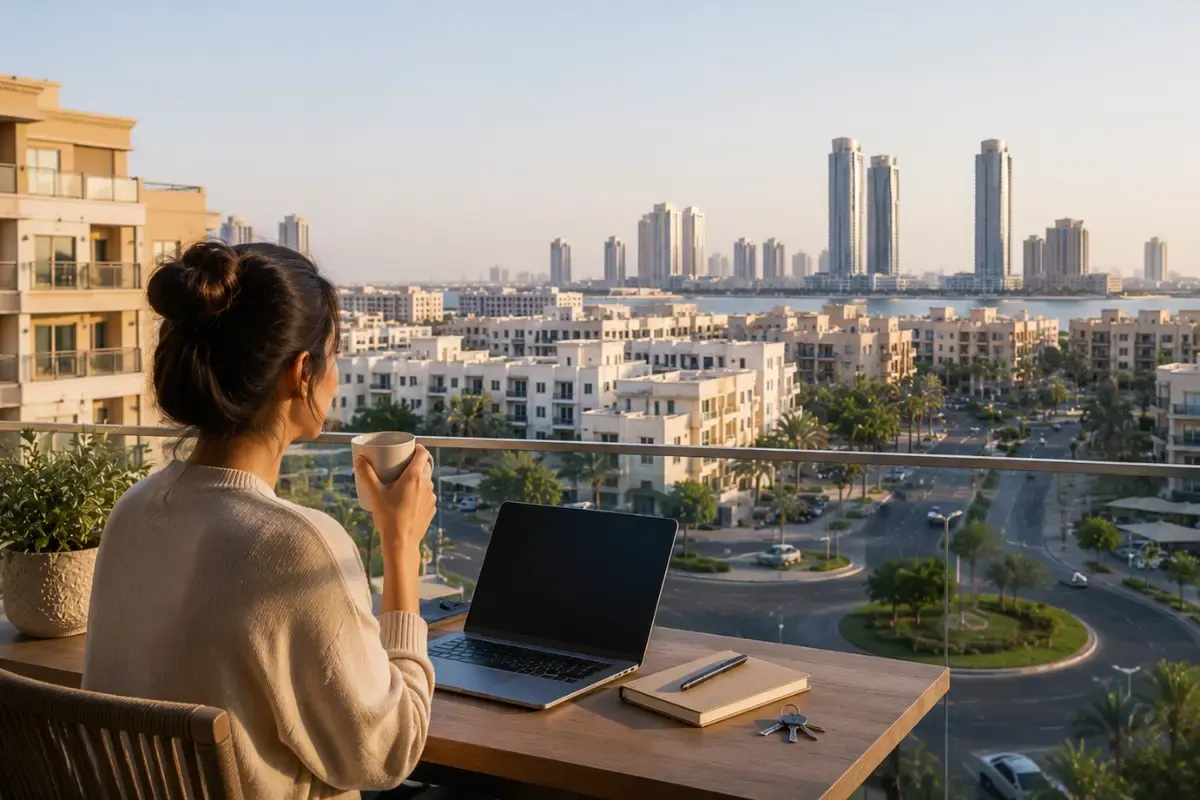
- Freelancers and remote workers
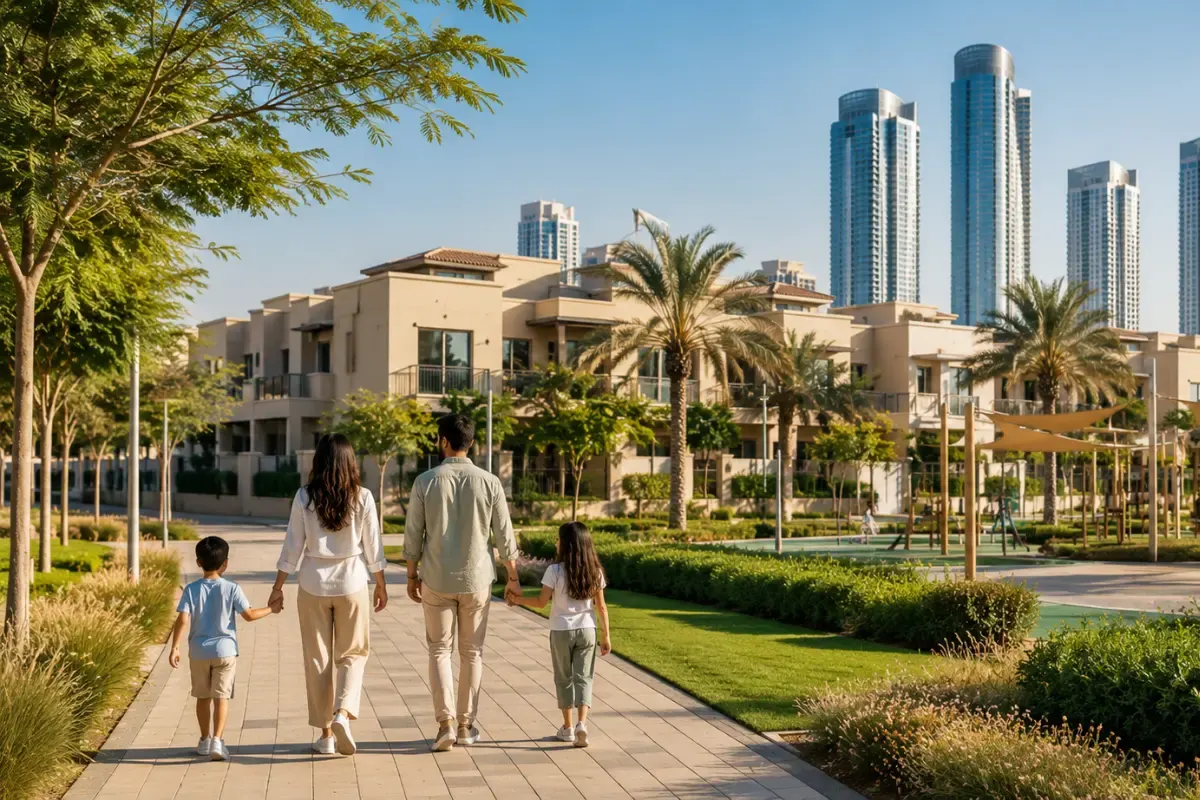
- Families looking for long-term accommodation
Whether you're searching for a studio apartment, townhouse, villa, or luxury residence, understanding the rental process before you begin your search can save both time and money.
Quick Answer
Before renting a property in Dubai, it's important to understand:
- How the rental market works
- Whether to choose a furnished or unfurnished property
- The role of Ejari
- How rental payments are typically made
- The upfront costs you'll need to budget for
- How to avoid rental scams
- Which communities best suit your lifestyle
- The questions to ask before signing a tenancy agreement
Preparing in advance makes the entire rental process significantly smoother.
Understanding the Dubai Rental Market
Dubai has one of the most active rental markets in the world, with thousands of new listings becoming available every month.
Properties range from affordable studio apartments to luxury waterfront villas, giving renters an enormous variety of choices depending on their budget and lifestyle.
The market also moves quickly, particularly in popular communities and during peak relocation periods. Well-priced properties in desirable locations can receive multiple enquiries within a short period, making preparation especially important.
Rental prices vary significantly depending on factors such as:
- Location
- Property type
- Building age
- Interior finishes
- Furnished or unfurnished status
- Available amenities
- Access to Metro stations
- Community popularity
- Current market demand
Communities such as Downtown Dubai, Dubai Marina, and Palm Jumeirah generally command premium rental prices, while areas including Jumeirah Village Circle (JVC), Dubai Silicon Oasis, Discovery Gardens, and Al Furjan often provide better value for money.
Understanding these differences before beginning your search will help you narrow your options more efficiently.
Furnished vs Unfurnished Rentals
One of the first decisions you'll make is whether to rent a furnished or unfurnished property.
The right choice depends largely on how long you plan to stay, your relocation budget, and whether you already own furniture.
Furnished Properties
Furnished properties are designed to allow tenants to move in with minimal preparation.
They often include:
- Beds
- Sofas
- Dining furniture
- Kitchen appliances
- Built-in wardrobes
- Basic household furniture
Furnished properties are particularly popular with:
- Expats
- Short-term residents
- Professionals relocating quickly
- Remote workers
- People moving from overseas
Although monthly rent is usually higher, tenants save money on purchasing furniture and household essentials.
Unfurnished Properties
Unfurnished properties typically include only the permanent fixtures within the home.
This usually means:
- Kitchen fittings
- Bathrooms
- Built-in wardrobes
- Air conditioning
These properties are generally best suited to:
- Long-term residents
- Families
- Tenants who already own furniture
- Renters looking to reduce monthly housing costs
Always confirm exactly what is included before signing a tenancy agreement, as the definition of "unfurnished" can vary slightly between properties.
How the Rental Process Usually Works
Although every tenancy is slightly different, most rentals in Dubai follow a similar process.
Step 1: Find a Suitable Property
Once you've identified your preferred communities and budget, begin viewing available properties.
It's usually worth comparing several options before making a decision.
Step 2: Submit Your Documents
After choosing a property, you'll normally provide documents such as your passport, Emirates ID (if available), residence visa, and any supporting financial documentation requested by the landlord.
Step 3: Agree on the Rental Terms
Before signing anything, both parties agree on:
- Annual rent
- Number of rent cheques
- Security deposit
- Move-in date
- Contract duration
Step 4: Sign the Tenancy Agreement
Once all terms have been agreed, the tenancy agreement is prepared and signed by both parties.
Step 5: Register Ejari
The tenancy agreement is then typically registered through Dubai's official Ejari system.
Step 6: Set Up Utilities
After registration, tenants usually activate electricity, water, internet, and any cooling services required for the property.
What Is Ejari?
Ejari is Dubai's official tenancy registration system administered by the Dubai Land Department.
For most long-term residential rentals, the tenancy agreement must be registered through Ejari after it has been signed.
This registration provides legal recognition of your tenancy and is often required when accessing a range of government and utility services.
Ejari is commonly required for:
- DEWA activation
- Internet installation
- Residency-related services
- Official tenancy records
- Legal protection for landlords and tenants
Before signing a lease, confirm that your tenancy agreement can be properly registered through Ejari.
Understanding Rental Payments in Dubai
Unlike many countries where rent is paid monthly through bank transfers, rental payments in Dubai are often made using post-dated cheques.
Depending on the landlord and tenancy agreement, payment schedules may include:
- One cheque
- Two cheques
- Four cheques
- Monthly payments (in some cases)
In many situations, landlords offer slightly better rental prices to tenants paying with fewer cheques, while more flexible payment schedules may increase the annual rent slightly.
Before signing your tenancy agreement, always confirm:
- Payment schedule
- Due dates
- Accepted payment methods
- Late payment penalties
- Refund conditions
Understanding these details early helps avoid misunderstandings later.
Common Upfront Costs
The annual rent is only part of the overall cost of renting a property in Dubai.
Most tenants should also budget for several upfront expenses before moving into their new home.
These commonly include:
- Security deposit
- Agency commission
- First rental payment
- Ejari registration
- DEWA deposit
- Internet installation
- Moving costs
For many residential rentals:
- Security deposits are commonly around 5% of annual rent for unfurnished properties.
- Furnished properties often require higher deposits.
- Agency commissions are typically around 5% of annual rent.
Before committing to any property, request a complete breakdown of every cost you'll be expected to pay.
How to Avoid Rental Scams
Dubai has a well-regulated rental market, but as with any major city, rental scams still occur from time to time. Most scams rely on creating a sense of urgency or offering deals that seem significantly better than the rest of the market.
Being cautious and taking a few simple precautions can help you avoid unnecessary financial loss and protect your personal information.
Common Rental Scam Warning Signs
Be cautious if you notice any of the following:
- Rental prices that seem far below market value
- Pressure to pay immediately without viewing the property
- Refusal to arrange an in-person or virtual viewing
- Requests for payments before a tenancy agreement has been prepared
- Listings using copied or low-quality photographs
- Communication only through unofficial messaging platforms
- Requests to transfer money to overseas bank accounts
If something feels unusually rushed or too good to be true, take time to verify the details before proceeding.
How to Protect Yourself
Before making any payments:
- View the property whenever possible
- Verify the landlord or property manager
- Read the tenancy agreement carefully
- Confirm all fees in writing
- Keep copies of receipts and communications
- Never transfer money without understanding exactly what you're paying for
Using trusted rental platforms that centralise listings, communication, and property management can also help create a more transparent rental experience.
Choosing the Right Area
One of the biggest decisions you'll make isn't choosing a property, it's choosing the right neighbourhood.
Every community offers a different lifestyle, and the best location depends on your budget, commute, family situation, and personal preferences.
Dubai Marina
Dubai Marina is one of the city's most popular waterfront communities.
Residents enjoy high-rise apartment living, restaurants, cafés, beach access, and a vibrant social atmosphere. It remains particularly popular with young professionals and couples who want an active lifestyle close to the coast.
Best for:
- Professionals
- Couples
- Beach lifestyle
- Luxury apartments
Downtown Dubai
Downtown Dubai is home to some of the city's most iconic landmarks, including Burj Khalifa and Dubai Mall.
Its central location, premium developments, and excellent business connectivity make it one of Dubai's most desirable residential communities.
Best for:
- Business professionals
- Executives
- Luxury living
- City-centre convenience
Jumeirah Village Circle (JVC)
Jumeirah Village Circle continues to be one of Dubai's best value-for-money communities.
The area offers modern apartments, townhouses, growing retail facilities, parks, and convenient access to many business districts while remaining more affordable than central Dubai.
Best for:
- Families
- Young professionals
- First-time renters
- Budget-conscious tenants
Business Bay
Business Bay combines residential and commercial developments within one of Dubai's busiest districts.
Its location next to Downtown Dubai makes it particularly attractive for professionals who want shorter commutes while enjoying modern apartment living.
Best for:
- Professionals
- Entrepreneurs
- Apartment living
- Central location
Palm Jumeirah
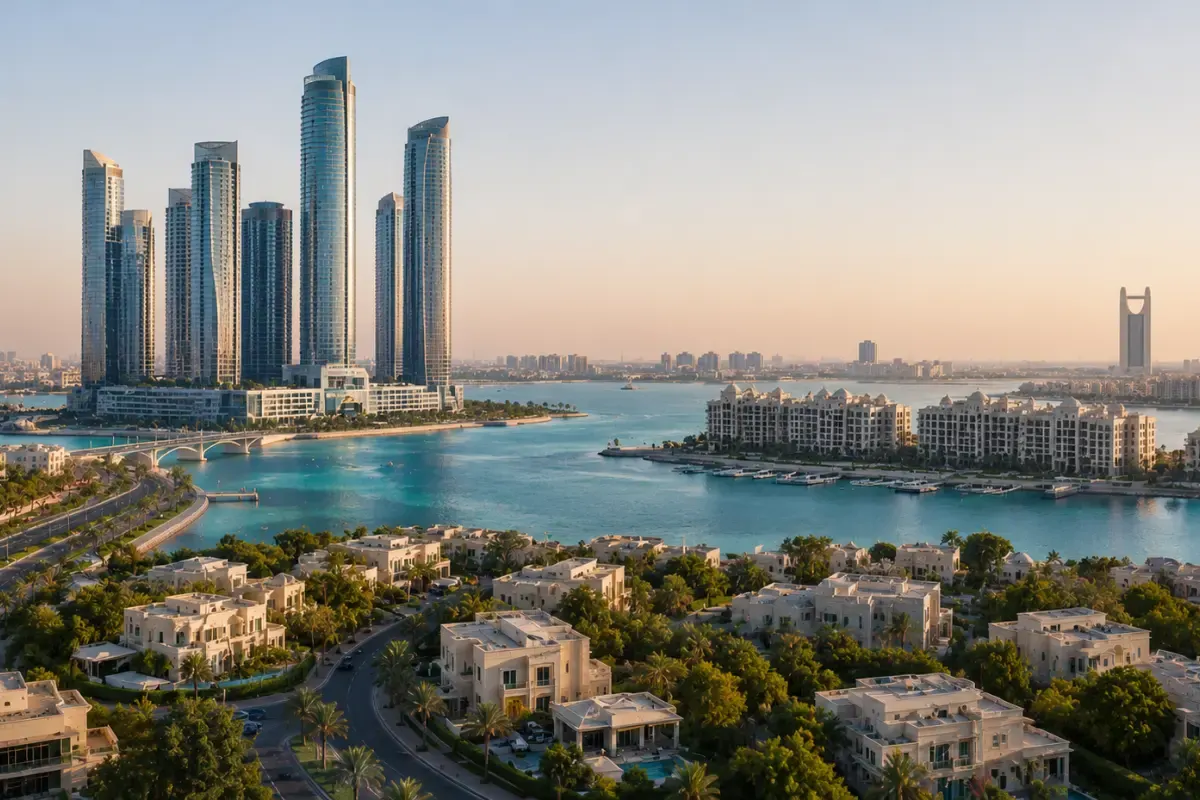
Palm Jumeirah is one of the world's most recognisable residential destinations.
The community offers luxury apartments, beachfront villas, private beach access, and premium amenities, making it one of Dubai's most exclusive places to live.
Best for:
- Luxury renters
- Waterfront living
- Premium lifestyle
- High-end residences
Questions You Should Ask Before Renting
Before signing a tenancy agreement, ask as many questions as necessary to fully understand the property and the rental terms.
Important questions include:
- Is maintenance included?
- Are utilities included?
- Is parking included?
- How long is the tenancy agreement?
- Are pets allowed?
- What are the renewal terms?
- Are there additional building or service fees?
- How are maintenance requests handled?
- Are cooling charges included?
- What is required to receive the security deposit back?
Clarifying these details before signing helps avoid misunderstandings and unexpected costs later.
Why the Rental Experience Is Changing
The way people rent property in Dubai continues to evolve.
Traditionally, tenants often managed conversations across multiple property portals, WhatsApp messages, phone calls, emails, and different agents, making the process fragmented and time-consuming.
Modern rental platforms are helping simplify the experience by bringing multiple parts of the journey together in one place.
These platforms increasingly combine:
- Property listings
- Provider communication
- Viewing enquiries
- Rental applications
- Property management
- Ongoing conversations
A more centralised experience helps reduce confusion, improve transparency, and save time for both tenants and property providers.
Frequently Asked Questions
Can foreigners rent property in Dubai?
Yes. Foreign nationals can rent apartments, villas, townhouses, and other residential properties throughout Dubai, provided they meet the landlord's documentation requirements.
Do I need an Emirates ID before renting?
Not always. Some landlords are willing to rent to new arrivals who are still completing the residency process, although additional documentation may be requested.
How is rent usually paid in Dubai?
Rent is commonly paid using post-dated cheques, although some landlords also offer more flexible payment arrangements depending on the property and tenancy agreement.
What is Ejari?
Ejari is Dubai's official tenancy registration system administered by the Dubai Land Department. It provides legal recognition of your tenancy agreement and is generally required for long-term residential rentals.
How much should I budget before moving into a rental property?
In addition to annual rent, most tenants should budget for a security deposit, agency commission, Ejari registration, DEWA deposit, utility setup, and moving expenses.
Final Thoughts
Renting a property in Dubai is generally a straightforward process once you understand how the market works and prepare in advance.
Taking the time to compare communities, understand rental costs, organise your documents, and review tenancy terms carefully can help you avoid many of the common challenges faced by first-time renters.
Whether you're relocating for work, starting a business, or looking for a fresh start, researching the market before signing a lease will help you make more informed decisions and enjoy a smoother rental experience.
Ready to find your next home? Explore apartments, townhouses, and villas on HopInHome and discover rental opportunities across Dubai's most popular communities.